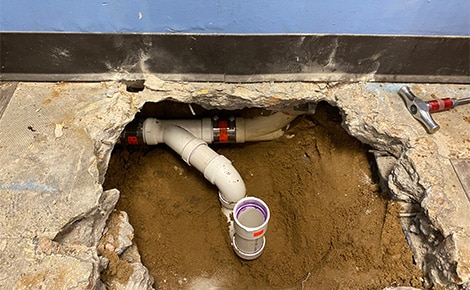
5 DIY Plumbing Fixes Every Port St. Lucie Homeowner Should Know
Plumbing problems can cause stress for any homeowner, but not every issue requires professional help. While licensed plumbers should always handle major repairs and hidden leaks, there are smaller fixes that you can safely take care of on your own. Knowing how to handle these situations saves time, reduces costs, and helps you maintain your plumbing system between professional visits. Here are five common plumbing problems Port St. Lucie homeowners can often manage without calling a plumber right away.
Fixing a Running Toilet
A running toilet is one of the most common household plumbing issues. Not only does it waste water, but it also leads to higher utility bills. Fortunately, most causes are simple to repair.
Start by removing the tank lid and checking the flapper. This rubber piece seals water inside the tank until you flush. If it looks worn or does not sit properly, replacing it usually solves the problem. Another cause may be the float, which controls the water level. Adjusting the float so that it shuts off the fill valve at the right level often stops the constant running.
Flappers and floats are inexpensive, and replacement parts are available at most hardware stores. With a few minutes of work, you can restore your toilet to proper function.
Unclogging a Slow Drain
Whether in the bathroom sink, shower, or kitchen, slow drains are a common nuisance. Hair, soap scum, grease, and food particles are usually to blame. While chemical drain cleaners may seem like an easy solution, they often cause more harm than good by damaging pipes.
Instead, start with a plunger. A sink plunger is smaller than a toilet plunger and works well for clearing minor blockages. If that does not solve the problem, use a drain snake or auger. These tools break up or pull out clogs close to the surface. For kitchen sinks, running hot water with a mixture of baking soda and vinegar can also help loosen debris.
By clearing clogs early, you prevent them from turning into more serious blockages that require professional cleaning.
Stopping a Leaky Faucet
A dripping faucet may not seem like a big problem, but the wasted water adds up quickly. Most often, the issue is a worn washer or cartridge inside the faucet handle. With a few basic tools, you can repair it yourself.
Turn off the water supply to the faucet, then carefully remove the handle. Inside, you will see either a rubber washer or a cartridge, depending on the type of faucet. If it looks worn or cracked, replacing it usually stops the drip. Replacement parts are inexpensive and can be found for most brands.
Taking care of a leaky faucet early not only lowers your water bill but also prevents long-term wear on your sink and fixtures.
Replacing a Showerhead
Low water pressure in the shower can be caused by mineral buildup in the showerhead. Sometimes cleaning it with vinegar removes deposits, but if the problem continues, replacing the showerhead is a quick project.
To replace it, unscrew the old showerhead with an adjustable wrench. Clean the pipe threads and apply plumber’s tape for a better seal. Then screw on the new showerhead by hand and tighten it slightly with the wrench. In just a few minutes, you can improve your shower’s performance and even save water if you choose a low-flow model.
Fixing a Toilet That Will Not Flush Properly
If your toilet handle feels loose or the toilet does not flush correctly, the lift chain or flapper inside the tank is usually the cause. Open the tank lid and check the chain that connects the handle to the flapper. If it is too loose, the flapper will not lift enough to let water out. Adjusting the chain length so that it has only a small amount of slack often fixes the issue.
If the flapper itself looks worn or warped, replacing it is an easy solution. Like fixing a running toilet, this repair is inexpensive and does not require advanced plumbing knowledge.
When to Call a Professional Plumber
While these fixes are manageable for most homeowners, it is important to know your limits. If you try these solutions and the problem continues, or if you suspect a larger issue like a broken pipe, slab leak, or sewer line problem, it is time to call a licensed plumber. Attempting advanced repairs without proper tools or training can make matters worse.
Preventing Plumbing Problems Before They Start
In addition to knowing how to handle small repairs, preventive care is essential. Here are a few habits that help keep your plumbing in good condition:
- Avoid flushing anything other than toilet paper.
- Run hot water down kitchen drains after greasy meals to help prevent buildup.
- Inspect visible pipes for signs of moisture or corrosion.
- Check toilets and faucets regularly for leaks.
- Clean showerheads periodically to reduce mineral buildup.
By staying proactive, you reduce the likelihood of sudden plumbing problems and extend the life of your system.
Conclusion
Plumbing issues are an unavoidable part of homeownership, but not all of them require an emergency call to a plumber. By learning a few simple repair techniques, Port St. Lucie homeowners can handle common problems like running toilets, slow drains, and dripping faucets with confidence. Knowing when to take action yourself and when to call in a professional helps you keep costs down and your plumbing system running smoothly.

Written by
Paolo Weston
Paolo Weston is the owner of Kyzar AC, committed to delivering reliable and efficient HVAC solutions for both homes and businesses. With years of experience in heating, cooling, and ventilation systems, he prioritizes quality workmanship, energy efficiency, and exceptional customer service. Paolo is dedicated to helping clients maintain comfortable, safe, and well-functioning indoor environments year-round.
Recent Posts
Plumbing Code Requirements Every Florida Homeowner Should Understand
February 25, 2026
How Salt Air Near the Coast Affects Plumbing Fixtures and Pipes
February 18, 2026