What Causes Low Water Pressure in Florida Homes
March 11, 2026
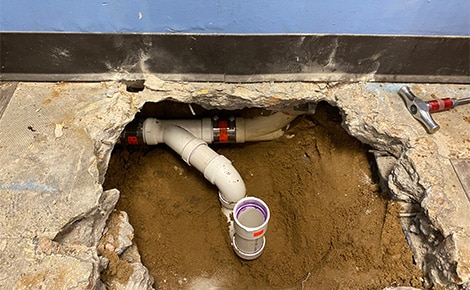
Trees are a defining feature of many South Florida neighborhoods. Mature palms, oaks, banyans, and ornamental trees add shade, beauty, and value to residential properties. While they enhance curb appeal, their root systems can quietly cause serious problems beneath the ground. Underground plumbing lines are particularly vulnerable to root intrusion and damage, especially in older homes. Understanding how and why tree roots affect plumbing systems helps homeowners take preventive action before costly repairs become necessary.
South Florida’s climate, soil composition, and landscaping habits create ideal conditions for aggressive root growth. When combined with aging pipes and outdated installation methods, the risk of underground plumbing damage increases significantly.
Tree roots do not damage pipes out of spite or intent. They grow in search of water, oxygen, and nutrients. Underground plumbing lines often provide all three. Even the smallest leak or condensation on the outside of a pipe can attract roots over time.
Roots naturally follow the path of least resistance. Soil that has been disturbed during pipe installation is often looser than the surrounding ground, making it easier for roots to grow in that direction. As roots move through this soil, they may encounter tiny cracks, loose joints, or aging seals in underground pipes.
Once a root finds moisture, it continues to grow toward the source. Over time, this growth can place pressure on the pipe or penetrate it entirely.
The soil in South Florida plays a major role in how roots interact with underground plumbing. Sandy soil is common throughout the region. While it drains well, it also shifts easily. This movement can stress underground pipes and create small openings at joints or connections.
Sandy soil allows roots to spread rapidly and extensively. In areas with high groundwater levels, roots tend to grow closer to the surface, where underground plumbing is often located. Frequent rain and irrigation further encourage root expansion.
In coastal areas, salt content in the soil can weaken certain pipe materials over time. As pipes degrade, they become even more susceptible to root intrusion.
Not all plumbing pipes are equally vulnerable to root damage. Older pipe materials are generally at higher risk. Many South Florida homes built several decades ago still rely on clay, cast iron, or Orangeburg pipes for sewer and drain lines.
Clay pipes were commonly used in the past but are brittle and prone to cracking. Even small fractures can allow roots to enter. Cast iron pipes are strong but corrode over time, especially in moist soil. As corrosion progresses, the pipe walls thin and joints weaken, creating entry points for roots.
Orangeburg pipes, made from wood pulp and tar, were used in some mid-century construction. These pipes deteriorate over time and can collapse under pressure, making them highly vulnerable to root invasion.
Modern PVC pipes are more resistant but not immune. Poor installation, shifting soil, or damaged joints can still allow roots to find their way inside.
Root damage rarely happens all at once. It is usually a gradual process that unfolds over years. The first stage often involves roots growing along the outside of a pipe, drawn by moisture or condensation. As the roots thicken, they can exert pressure on the pipe exterior.
If a small crack or loose joint is present, fine feeder roots may enter the pipe. These thin roots can grow inside the line, feeding on nutrient-rich wastewater. As they expand, they form dense masses that restrict flow.
Over time, root growth inside the pipe can cause recurring clogs. Continued expansion increases pressure on the pipe walls, leading to cracks, misalignment, or collapse. At this stage, repairs become more complex and expensive.
Tree root damage often presents symptoms that mimic other plumbing issues. One of the most common signs is recurring drain clogs, especially in toilets or main sewer lines. If multiple drains back up at the same time, roots may be obstructing the main line.
Slow-draining fixtures, gurgling sounds, and sewage odors are also warning signs. In some cases, homeowners notice soggy patches in the yard or unusually lush areas of grass. These can indicate a leaking pipe that is feeding nearby roots.
In severe cases, wastewater may back up into the home, creating a health hazard. Addressing these symptoms early can prevent extensive damage to both the plumbing system and the property.
South Florida’s year-round growing season gives trees little downtime. Roots continue to grow even during winter months, unlike in cooler climates. This constant growth increases the likelihood of interaction with underground pipes.
Landscaping trends also play a role. Many homeowners plant trees close to homes, driveways, and utility lines without fully considering root spread. Some species commonly used in South Florida have particularly aggressive root systems.
Additionally, older neighborhoods often feature large, established trees planted long before modern plumbing materials were introduced. These trees may already have extensive root networks that intersect with aging underground pipes.
Identifying root damage early requires professional tools and expertise. Modern plumbers use sewer camera inspections to view the inside of pipes and locate root intrusion without digging. These inspections provide clear images of the pipe’s condition and the extent of the damage.
In some cases, plumbers may use locating equipment to trace the path of underground lines. This helps determine which trees or plants may be contributing to the problem.
Accurate diagnosis allows for targeted solutions rather than guesswork. It also helps homeowners plan for repairs with a clear understanding of the situation.
The appropriate repair method depends on the severity of the damage. For minor root intrusion, mechanical root removal or hydro jetting may restore flow temporarily. However, these methods do not address underlying pipe damage and may need to be repeated.
If pipes are cracked, misaligned, or deteriorating, more permanent solutions are often recommended. Trenchless repair methods, such as pipe lining or pipe bursting, can replace or reinforce damaged sections without extensive excavation.
In cases where pipes have collapsed or are made from obsolete materials, full replacement may be necessary. While more invasive, this option provides long term reliability and reduces the risk of future root intrusion.
Prevention is often more cost effective than repair. Homeowners can reduce the risk of root damage by choosing appropriate trees for their landscape and planting them at safe distances from underground utilities.
Regular plumbing inspections are especially important for older homes. Early detection of small cracks or joint issues allows for repairs before roots become a major problem.
Installing root barriers between trees and plumbing lines can also help guide root growth away from vulnerable areas. While not a guarantee, these barriers can reduce risk when used correctly.
Tree roots are a natural part of the environment, but they can pose serious risks to underground plumbing when conditions align. In South Florida, where trees grow quickly and plumbing systems face unique challenges, awareness is the first line of defense.
By understanding how roots interact with pipes, recognizing early warning signs, and working with experienced plumbing professionals, homeowners can protect their plumbing systems and avoid unexpected disruptions.
Maintaining healthy trees and reliable plumbing does not have to be a trade-off. With proper planning and proactive care, both can coexist without causing damage beneath the surface.

Paolo Weston is the owner of Kyzar AC, committed to delivering reliable and efficient HVAC solutions for both homes and businesses. With years of experience in heating, cooling, and ventilation systems, he prioritizes quality workmanship, energy efficiency, and exceptional customer service. Paolo is dedicated to helping clients maintain comfortable, safe, and well-functioning indoor environments year-round.
What Causes Low Water Pressure in Florida Homes
March 11, 2026
Plumbing Code Requirements Every Florida Homeowner Should Understand
February 25, 2026