What Causes Low Water Pressure in Florida Homes
March 11, 2026
Reliable water pressure is something most homeowners expect without thinking about it. When you turn on a faucet, take a shower, or run a washing machine, you assume the water will flow with enough force to get the job done. When pressure suddenly drops, everyday tasks become frustrating.
Low water pressure is a common issue in many Florida homes. Sometimes the problem appears gradually. In other cases, the change is sudden and noticeable. While some causes are simple to fix, others may involve larger plumbing concerns that require professional attention.
Understanding the most common reasons for weak water flow can help homeowners recognize when it is time to investigate further.
One of the most frequent causes of reduced water pressure is also one of the easiest to overlook. Faucet aerators and showerheads can collect mineral deposits, sand, and other debris over time. When buildup accumulates, it restricts the amount of water that can pass through.
Florida water often contains minerals that can leave behind residue. Even small particles traveling through plumbing lines may become trapped inside aerators. As the openings narrow, water flow becomes weaker.
Homeowners may notice that pressure seems normal in one area of the house but weaker in another. This difference often suggests that buildup has formed in a specific fixture rather than throughout the plumbing system.
Removing the aerator or showerhead and cleaning it can sometimes restore proper flow. If buildup returns frequently, installing water filtration or replacing the fixture may help.
Another common reason for weak water pressure involves shutoff valves that are not fully open. These valves control the flow of water into the home or to individual fixtures. If they are partially closed, water cannot move through the system at full capacity.
Main shutoff valves are typically located near where the water line enters the house. Secondary valves may exist under sinks, behind toilets, or near appliances such as washing machines.
Valves may be adjusted during plumbing repairs, maintenance, or renovations. Occasionally, they are not reopened completely afterward. Over time, homeowners may forget that the valve was changed, leaving the system with restricted flow.
Checking these valves is a simple step that can sometimes resolve pressure problems quickly.
Leaks within the plumbing system can also reduce water pressure. When water escapes through cracks or damaged pipe connections, less water reaches fixtures throughout the home.
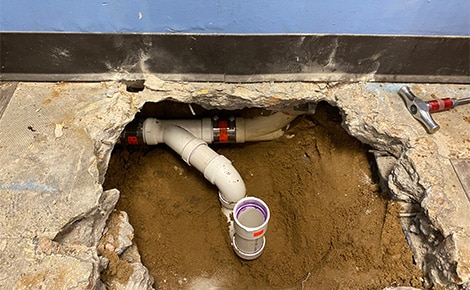
Leaks may occur behind walls, beneath flooring, or in underground supply lines. Because these areas are hidden, the problem may go unnoticed until other symptoms appear.
Signs of a potential leak include damp spots, unexplained increases in water bills, or the sound of running water when fixtures are turned off. Low pressure may accompany these issues because water is being diverted away from the system.
Even small leaks should be addressed quickly. In addition to reducing water pressure, they can lead to structural damage and mold growth if left unresolved.
Many older homes still contain plumbing pipes that have been in place for decades. Over time, pipes can corrode or develop mineral buildup along the interior walls. This gradually narrows the path that water travels through.
As the interior space becomes restricted, water flow slows down. The result is lower pressure throughout the home.
Certain pipe materials are more susceptible to corrosion than others. Older galvanized steel pipes are especially prone to internal buildup and rust. These materials were once commonly used in residential construction, but can create problems as they age.
In some cases, replacing sections of old piping may be necessary to restore proper water pressure.
Some homes are equipped with pressure regulators, also known as pressure-reducing valves. These devices help maintain safe water pressure levels within the plumbing system. Without them, pressure from municipal water supplies could sometimes become too strong and damage pipes or fixtures.
When a regulator begins to fail, it may produce inconsistent pressure levels. Water flow may suddenly become weaker than normal. In other cases, pressure may fluctuate throughout the day.
Because pressure regulators affect the entire plumbing system, homeowners often notice low pressure at every fixture rather than in a single location.
A professional plumber can test the regulator and determine whether adjustment or replacement is necessary.
Not every pressure problem originates inside the home. Sometimes the issue lies within the municipal water supply system. Maintenance work, infrastructure repairs, or temporary service interruptions may reduce the amount of water reaching nearby homes.
When municipal supply changes occur, neighbors may experience similar problems. If several households in the area report reduced pressure, the cause may be related to the local water utility rather than individual plumbing systems.
Municipal systems can also experience pressure fluctuations during periods of high demand. In growing communities, expanding infrastructure sometimes struggles to keep up with increased usage.
While homeowners cannot control municipal supply conditions, understanding the source of the issue helps determine whether a plumber or the local utility should be contacted.
Sediment accumulation can affect plumbing systems in regions where water carries sand, minerals, or other particles. Over time, these materials may settle inside pipes and gradually restrict flow.
This buildup can develop slowly. Homeowners may notice pressure decreasing little by little over several months or years.
Sediment problems may also affect water heaters. When debris settles in the tank, it can reduce efficiency and limit the amount of hot water reaching fixtures. If pressure appears weaker when using hot water compared to cold water, sediment in the heater may be responsible.
Routine maintenance and periodic flushing of water heaters can help reduce these issues.
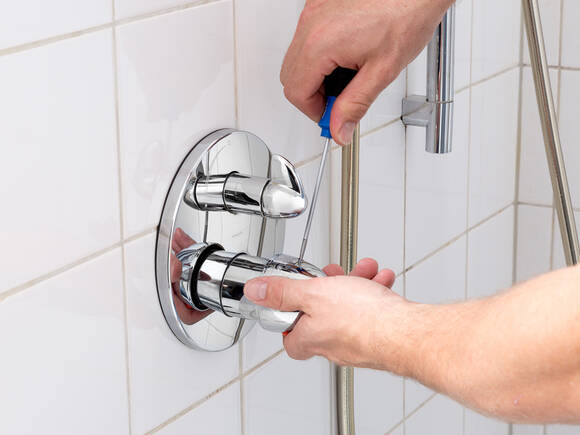
Sometimes, low pressure results from problems within a specific fixture rather than the plumbing system itself. Internal components inside faucets, shower valves, and other fixtures can wear out over time.
When seals, cartridges, or valves deteriorate, they may restrict water flow. Mineral deposits can also interfere with moving parts, preventing them from opening fully.
If pressure appears normal in other areas of the home but weak at one fixture, the fixture itself may require repair or replacement.
Modern fixtures often contain water-saving features designed to limit flow. While these features help conserve water, they can sometimes create the impression of reduced pressure if the device becomes partially clogged or damaged.
Some homeowners notice that low pressure occurs only when using hot water. When cold water flows normally but hot water does not, the water heater may be involved.
Sediment accumulation inside the tank can block internal pathways and restrict flow. Shutoff valves connected to the heater may also be partially closed.
In some cases, internal heater components may deteriorate or become obstructed by mineral deposits. These issues can interfere with water movement before it reaches the plumbing lines that supply the home.
Routine water heater maintenance can prevent many of these problems and help maintain consistent water flow.
While some pressure issues can be resolved with simple steps such as cleaning aerators or opening valves, others require professional diagnosis. Plumbing systems involve complex networks of pipes, connections, and mechanical components. Identifying the exact cause of low pressure often requires specialized tools and experience.
Professional plumbers can measure water pressure levels, inspect piping conditions, and evaluate system components to locate the source of the problem. Once identified, the appropriate repair or replacement can be recommended.
Addressing pressure problems early helps prevent further damage to plumbing systems and ensures that daily tasks remain convenient.
Consistent water pressure plays an important role in everyday comfort. From cooking and cleaning to bathing and laundry, nearly every household activity depends on reliable water flow. When pressure begins to drop, the issue should not be ignored. The cause may be something simple, such as a clogged fixture or partially closed valve. In other situations, the problem may involve leaks, aging pipes, or mechanical components that need attention.
By understanding the common causes of low water pressure, Florida homeowners can respond quickly and seek the right solutions. With proper maintenance and timely repairs, plumbing systems can continue delivering steady water flow for years to come.

Paolo Weston is the owner of Kyzar AC, committed to delivering reliable and efficient HVAC solutions for both homes and businesses. With years of experience in heating, cooling, and ventilation systems, he prioritizes quality workmanship, energy efficiency, and exceptional customer service. Paolo is dedicated to helping clients maintain comfortable, safe, and well-functioning indoor environments year-round.
What Causes Low Water Pressure in Florida Homes
March 11, 2026
Plumbing Code Requirements Every Florida Homeowner Should Understand
February 25, 2026