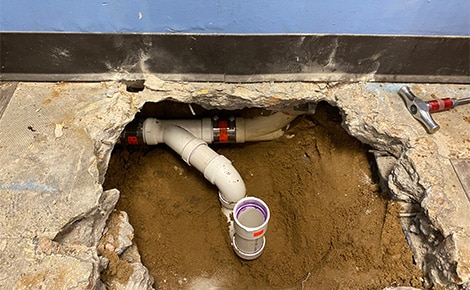
What to Do If You Smell Gas in Your Port St. Lucie Home
The smell of gas in a home is a serious concern. Natural gas leaks are dangerous and can lead to fires, explosions, or health problems if not addressed immediately. For homeowners in Port St. Lucie, understanding what to do if you detect a gas odor is crucial. Acting quickly and safely can protect your family, property, and the surrounding community.
Recognizing the Signs of a Gas Leak
Natural gas is naturally odorless, but utility companies add a chemical called mercaptan to give it a distinct sulfur-like smell, often described as rotten eggs. Detecting this odor inside your home is a warning sign that should never be ignored.
Other indicators of a gas leak include:
- Hissing or whistling sounds near gas lines or appliances
- Dead or discolored vegetation near outdoor gas lines
- Increased or unexplained water bubbling in wet areas near gas lines
- Physical symptoms such as dizziness, nausea, or headaches
Even if you only suspect a leak, it is important to take immediate action. Delaying can increase the risk of dangerous outcomes.
Immediate Safety Measures
If you smell gas inside your home, the first priority is to ensure the safety of everyone inside. Follow these steps:
- Evacuate the Home Immediately
Leave the building without turning on or off any electrical switches, lights, or appliances. Sparks from these actions can ignite gas in the air. - Avoid Using Phones Inside
Do not use your mobile phone or any landline while inside the home. Make calls only after you are safely outside. - Do Not Attempt to Locate the Leak Yourself
Avoid trying to find the source of the leak with open flames or tools. This can be extremely dangerous.
Contact Professionals Immediately
Once you are safely outside, contact your local gas provider or emergency services. In Port St. Lucie, you can call your utility company to report the leak. They have trained technicians who can safely inspect and address the situation.
It is also advisable to contact a licensed plumber if you suspect the leak may be related to home piping, appliances, or gas lines connected to your property. A professional plumber can perform thorough inspections, repairs, and testing to ensure your home is safe.
Preventing Gas Leaks in Your Home
Prevention is the best way to protect your family from the dangers of gas leaks. Regular maintenance of gas appliances, pipes, and connections is essential.
Some tips for homeowners include:
- Schedule annual inspections for gas appliances such as water heaters, stoves, furnaces, and dryers
- Ensure all connections and fittings are tight and in good condition
- Install carbon monoxide detectors in key areas of your home
- Never attempt DIY gas appliance repairs unless you are a licensed professional
Appliance Safety Practices
Gas appliances are common sources of leaks. Following safe usage and maintenance practices can minimize risks.
- Check stoves, ovens, and water heaters for signs of corrosion or unusual odors
- Clean burners regularly to ensure proper combustion
- Replace aging appliances before they become unsafe
- Make sure vents and exhausts are clear and functioning properly
Recognizing the Signs of Carbon Monoxide
Gas leaks can also lead to carbon monoxide buildup, which is colorless and odorless but highly dangerous. Symptoms include headache, dizziness, fatigue, and nausea. Installing carbon monoxide detectors near bedrooms and common areas provides an additional layer of safety.
Outdoor Gas Line Safety
Gas lines outside your home also require attention. Avoid digging near utility lines without first contacting local services to mark their locations. Overgrown vegetation or animal activity near gas lines should be inspected to prevent damage or accidental leaks.
After a Gas Leak Has Been Addressed
Once professionals have inspected and repaired the leak, it is important to monitor your home for any signs of recurring issues. Regular inspections, maintenance, and prompt attention to appliance malfunctions reduce the risk of future problems.
Documenting any repairs and maintenance can be helpful for future reference, especially if you plan to sell or insure your home. It provides proof that your plumbing and gas systems have been properly cared for.
Emergency Preparedness
Being prepared for a gas leak emergency can save lives. Families should discuss safety plans, including evacuation routes and emergency contacts. Ensure that all household members know how to recognize a gas leak and understand the importance of immediate action.
Conclusion
Detecting gas in your Port St. Lucie home is a serious situation that requires swift and careful action. Evacuating the home, avoiding ignition sources, and contacting professionals are the first and most important steps. Regular maintenance, appliance inspections, and safety practices can prevent leaks and protect your family from danger.
Taking proactive measures ensures that your home remains safe and your plumbing and gas systems function efficiently. For Florida homeowners, understanding how to respond to gas odors is not just a precaution—it is a critical part of responsible homeownership.

Written by
Paolo Weston
Paolo Weston is the owner of Kyzar AC, committed to delivering reliable and efficient HVAC solutions for both homes and businesses. With years of experience in heating, cooling, and ventilation systems, he prioritizes quality workmanship, energy efficiency, and exceptional customer service. Paolo is dedicated to helping clients maintain comfortable, safe, and well-functioning indoor environments year-round.
Recent Posts
Plumbing Code Requirements Every Florida Homeowner Should Understand
February 25, 2026
How Salt Air Near the Coast Affects Plumbing Fixtures and Pipes
February 18, 2026