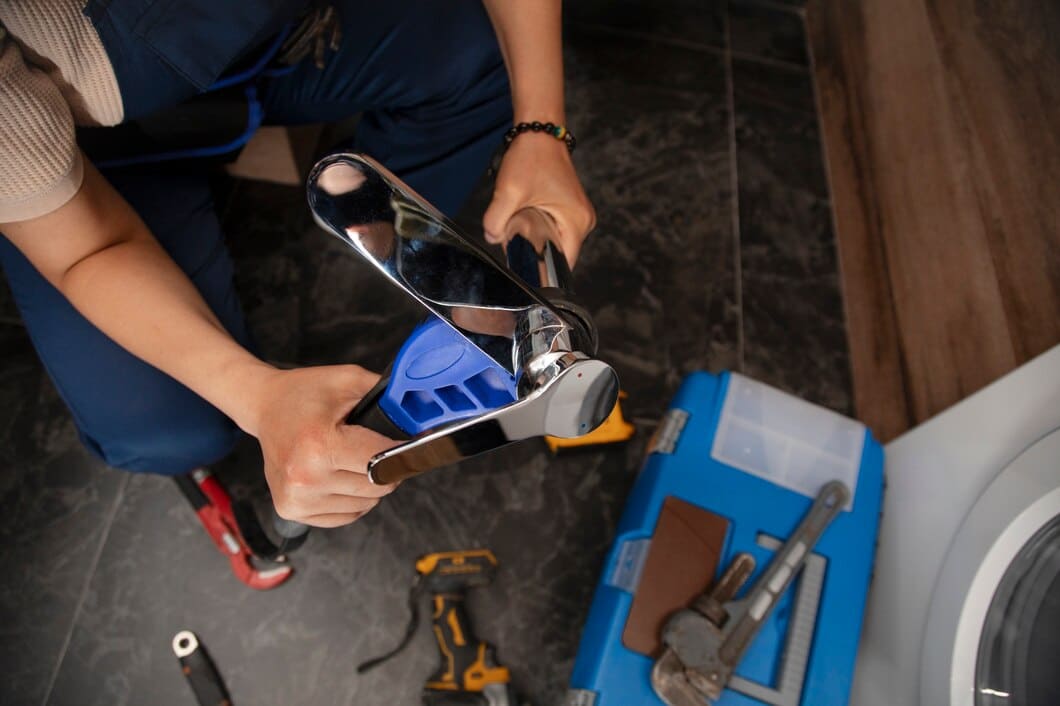
In Florida, it’s recommended to have a professional plumber inspect your system at least once a year. Routine maintenance can identify small issues, such as leaks or corrosion, before they become costly problems. Regular checkups help protect pipes from the humid climate, prevent mold growth, and ensure water pressure remains consistent. Annual maintenance also prolongs the life of water heaters, faucets, and drains, keeping your plumbing system reliable and reducing the likelihood of emergencies.
Hidden leaks often go unnoticed until they cause significant damage. Common signs include unusually high water bills, damp or discolored walls, ceilings, or floors, the sound of running water when no fixtures are in use, and low water pressure. Mold or mildew growth in unexpected areas may also indicate a leak. If you notice any of these signs, contact a professional plumber immediately to locate and repair the source before it worsens.
Preventing clogs starts with mindful usage. Avoid pouring grease, coffee grounds, or food scraps down the sink. Use drain strainers to catch hair, soap residue, and debris in showers and tubs. Regularly flush drains with hot water to help remove buildup. For tougher prevention, consider periodic professional drain cleaning to maintain smooth water flow and prevent serious blockages that could cause backups or damage to your pipes.
If you smell gas, evacuate the house immediately and avoid using electrical switches, appliances, or open flames. Call your gas company or emergency services from a safe location. Do not attempt to locate the leak yourself. Gas leaks can be extremely dangerous, posing fire or explosion risks. A licensed plumber or gas technician will inspect the system, locate the source of the leak, and make necessary repairs to ensure your home is safe.
Emergency plumbing situations require immediate attention. Common signs include burst pipes, major leaks, flooding, sewer backups, or gas leaks. If water is rapidly spreading or causing structural damage, or if you detect the smell of gas, contact an emergency plumber immediately. Acting quickly can minimize damage and reduce repair costs. Keep the contact information of a trusted local plumber handy so you can respond efficiently to urgent plumbing issues.
Chemical drain cleaners are generally not recommended for Florida homes. They can damage pipes, especially older or PVC plumbing, and may harm the environment. Overuse can lead to corrosion and increase the risk of leaks. Instead, consider mechanical methods like drain snakes or professional cleaning services. These alternatives remove clogs safely and effectively without the risks associated with harsh chemicals, helping protect your plumbing system and maintain safe, clean water flow.
Florida’s humidity accelerates corrosion, mold growth, and mineral buildup in pipes. Wooden or metal components may also deteriorate faster. Frequent rainfall can put extra pressure on drainage systems and sewer lines, increasing the likelihood of leaks and blockages. Regular maintenance and inspections are essential to mitigate these effects. Using corrosion-resistant materials and keeping your plumbing system well-maintained helps prevent costly repairs and ensures your home’s water supply remains clean and reliable despite the challenging climate.
A conventional water heater typically lasts 8–12 years, depending on usage and maintenance. Factors like water quality, temperature settings, and mineral buildup can affect its longevity. Tankless water heaters can last 15–20 years with proper care. Routine inspections, flushing the tank to remove sediment, and repairing minor issues promptly can extend the life of your water heater. Regular maintenance is especially important in Florida, where humidity and mineral content in water can accelerate wear and reduce efficiency.
Low water pressure may result from clogs, leaks, or faulty pressure regulators. Start by checking for clogged aerators or showerheads and cleaning them. Inspect for leaks in visible pipes. If problems persist, a plumber can adjust the pressure regulator or clear blockages in the main supply line. In some cases, installing a water pressure booster may be necessary. Regular maintenance ensures optimal water pressure, enhancing daily activities like showering, dishwashing, and irrigation without causing stress to your plumbing system.
When hiring a plumber, verify that they are licensed, insured, and experienced with local plumbing challenges. Check reviews and ask for references. Ensure they offer clear estimates and warranties for their work. A reliable plumber will also be transparent about costs, explain solutions, and provide timely service. Local expertise is important because Florida’s climate and infrastructure pose unique plumbing challenges. Choosing the right professional ensures quality repairs, safety, and long-term reliability for your home’s plumbing system.
While Florida rarely experiences freezing temperatures, isolated cold snaps can freeze exposed pipes. Insulate pipes in unheated areas such as attics, crawl spaces, and exterior walls. Seal gaps where cold air enters, and let faucets drip slightly during extreme cold. If possible, maintain indoor temperatures above 55°F. Taking preventative steps minimizes the risk of pipe bursts, water damage, and costly repairs. A plumber can also advise on protective measures tailored to your home’s specific plumbing layout.
Bathroom drains typically clog due to hair, soap residue, toothpaste, and skin debris. Over time, these materials accumulate inside pipes, slowing drainage and causing backups. Using drain strainers, avoiding flushing non-dissolvable items, and regular cleaning can prevent clogs. For stubborn blockages, a professional plumber can remove buildup safely and ensure pipes remain intact. Proactive care helps maintain hygiene, water flow, and prevents water damage to floors, walls, and cabinets.
Sewer lines should be inspected every 2–3 years or sooner if you notice slow drains, foul odors, or backups. Tree roots, heavy rain, and soil shifts in Florida can damage underground lines. Professional inspections using cameras can detect cracks, blockages, or corrosion early. Early detection prevents major failures, costly repairs, and potential health hazards from sewage exposure. Routine inspections help ensure your home’s waste management system functions efficiently year-round.
Minor leaks like dripping faucets may sometimes be fixed with DIY methods, but caution is advised. Incorrect repairs can worsen the problem, causing water damage or mold. For persistent leaks, corrosion, or leaks in hidden pipes, it’s best to call a licensed plumber. Professionals have the tools and expertise to identify the source, make lasting repairs, and prevent further damage, saving you money and stress in the long run.
Signs that a water heater may need replacement include inconsistent water temperature, rumbling or popping noises, leaks around the base, and rusty water. Frequent repairs or older units approaching 10–12 years of service are also indicators. Replacing an aging water heater proactively improves energy efficiency, prevents sudden failures, and ensures reliable hot water. A plumber can assess your unit’s condition and recommend whether repair or replacement is the best long-term solution.
Yes, tankless water heaters are ideal for Florida homes because they provide on-demand hot water, reduce energy costs, and occupy less space. They are especially useful in households with varying hot water demands. Regular maintenance, including descaling in areas with hard water, ensures optimal performance and longevity. While the upfront cost is higher than traditional tank units, the long-term energy savings and continuous hot water supply make tankless systems a smart investment for Florida homeowners.
If your toilet overflows, turn off the water supply at the valve behind the toilet. Avoid flushing again until the blockage is cleared. Use a plunger for minor clogs or a plumber’s auger for tougher blockages. If water spills onto floors, clean it promptly to prevent water damage and mold growth. For repeated overflows, slow drains, or underlying plumbing issues, contact a professional plumber. Addressing toilet problems quickly protects your home and ensures the bathroom remains functional.
Yes, tree roots are a common cause of plumbing issues in Florida. Roots seek water and can infiltrate sewer and drain pipes, causing cracks, blockages, and backups. Signs include slow drains, foul odors, or repeated clogs. Preventative measures include regular inspections, using root barriers, and replacing old pipes with more durable materials. Professional plumbers can detect root intrusions early and provide solutions to prevent extensive damage, protecting your home’s plumbing infrastructure and minimizing repair costs.
Mold thrives in damp environments, so preventing leaks is key. Fix any dripping faucets, leaking pipes, or roof leaks promptly. Ensure proper ventilation in bathrooms and kitchens, and use dehumidifiers in humid areas. Regular inspections of plumbing systems help detect hidden leaks behind walls or under floors. Addressing moisture issues quickly prevents mold growth, protects indoor air quality, and avoids structural damage. Professional plumbers can also recommend solutions for persistent moisture problems to keep your home safe and healthy.
Before a plumber arrives, clear access to affected areas and gather any relevant information about the problem. Note when the issue started, previous repairs, and any unusual sounds or odors. Turn off water supply if necessary and remove valuables from the work area. Clear communication about symptoms and concerns allows the plumber to diagnose and address the issue efficiently. Being prepared helps minimize disruption, ensures accurate estimates, and speeds up the repair or maintenance process for a smooth and effective service experience.