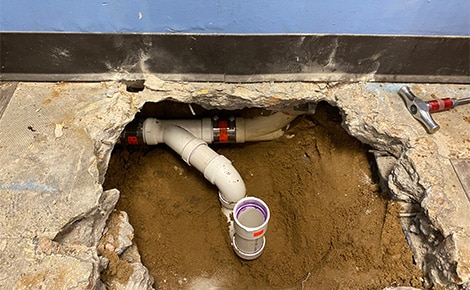
How Aging Infrastructure Impacts Residential Plumbing in Florida
Florida’s housing stock is aging, and with that age comes a growing set of plumbing challenges that homeowners are now facing more often. Many residential neighborhoods were built decades ago, long before modern materials, updated building standards, and current water usage demands existed. As pipes, fittings, and infrastructure systems reach the end of their lifespan, the effects show up inside the home through leaks, pressure issues, water quality concerns, and frequent repairs. Aging infrastructure is no longer just a municipal problem. It directly impacts residential plumbing systems and everyday living conditions.
This is not limited to older historic homes. Even properties built in the 1980s and 1990s are now dealing with materials and system designs that were never meant to last indefinitely. Florida’s climate, soil conditions, and water composition accelerate this process, making infrastructure decline more noticeable and more costly for homeowners.
What Aging Infrastructure Really Means for Homes
When people hear “aging infrastructure,” they often think about city water mains, sewer lines, and public utilities. Those systems do matter, but residential plumbing is deeply connected to them. Water supply quality, pressure consistency, and sewer performance all influence what happens inside a home’s plumbing system.
Older municipal systems may deliver water with higher mineral content, fluctuating pressure, or increased sediment. These factors strain residential pipes and fixtures. At the same time, older homes often contain original plumbing materials that are more vulnerable to corrosion, scaling, and structural breakdown. When both systems age together, problems multiply instead of canceling out.
Outdated Pipe Materials in Florida Homes
Many Florida homes still contain plumbing materials that are no longer widely used. Galvanized steel pipes were common in older construction. Over time, these pipes corrode from the inside. Mineral buildup narrows the interior diameter, reducing water pressure and increasing the risk of blockages. Eventually, the metal weakens and leaks develop.
Cast iron drain lines are another common issue in older neighborhoods. These pipes degrade internally due to constant moisture exposure and waste flow. Cracks, collapses, and internal flaking can lead to recurring clogs and sewer backups. In Florida’s humid environment, deterioration often happens faster than homeowners expect.
Polybutylene piping, installed in many homes from the 1970s through the 1990s, is also a known problem material. It is prone to failure, cracking, and sudden leaks, especially when exposed to certain water chemicals. Many homeowners do not realize they have this piping until a major failure occurs.
Corrosion and Water Quality Effects
Aging infrastructure affects water chemistry. Older municipal systems and aging residential pipes both contribute to corrosion. This process releases metals and sediment into water lines, which can discolor water and damage fixtures.
Corrosion weakens pipes from the inside out. Leaks often form in hidden areas like walls, slabs, and ceilings. These leaks may go unnoticed until structural damage or mold growth becomes visible. By the time symptoms appear, the problem is often advanced.
Hard water compounds the issue. Mineral deposits build up inside pipes and appliances. Water heaters, dishwashers, washing machines, and fixtures all suffer reduced efficiency and shortened lifespans due to scale buildup. Aging systems handle this stress poorly, leading to more frequent breakdowns.
Pressure Problems and System Strain
Older infrastructure often leads to inconsistent water pressure. Municipal supply fluctuations combined with deteriorating residential pipes create stress points throughout the plumbing system. High pressure accelerates wear. Low pressure reduces system performance and creates daily inconvenience.
Pressure imbalances can damage valves, seals, and fixtures. They also increase the likelihood of joint failures and hidden leaks. Over time, small stress fractures become full pipe failures, often without warning.
Sewer and Drainage System Decline
Aging sewer infrastructure affects residential drainage directly. Older sewer mains may shift, crack, or partially collapse. When this happens, wastewater flow slows and backups become more common. Homes connected to these systems experience frequent drain clogs, slow drains, and foul odors.
Tree root intrusion is another common problem. Older sewer lines made from clay or cast iron are vulnerable to root penetration. Roots grow toward moisture sources, breaking into pipes and causing blockages that repeat even after cleaning.
Inside the home, aging drain lines suffer similar issues. Internal corrosion creates rough surfaces that trap debris. Grease, soap residue, and waste cling to pipe walls, narrowing flow paths and increasing clog frequency.
Storm Stress and Infrastructure Aging
Florida’s storms add another layer of strain. Heavy rainfall, flooding, and soil movement put pressure on underground pipes. Shifting soil can crack lines, separate joints, and damage connections. Older materials are less flexible and more prone to breakage under these conditions.
Floodwater also introduces contamination risks. Aging systems are more vulnerable to backflow, where wastewater flows back into residential plumbing. This creates serious health hazards and property damage risks.
Code Evolution and System Obsolescence
Plumbing standards have changed significantly over time. Older homes were built under codes that no longer meet modern safety and efficiency expectations. Pipe sizing, venting design, backflow prevention, and material standards have all evolved.
Today, residential plumbing must comply with modern requirements set by the Florida Building Code. These standards are based on updated safety research, environmental data, and system performance studies. Older systems often fall short of these benchmarks, even if they were compliant at the time of construction.
This gap creates challenges during renovations. When homeowners update kitchens, bathrooms, or laundry rooms, they often trigger code upgrades. Aging infrastructure becomes a limiting factor in what can be safely and legally installed without broader system improvements.
Water Heater and Appliance Impact
Aging plumbing infrastructure directly affects appliance performance. Water heaters face sediment buildup from older supply lines. This reduces heating efficiency and increases wear on heating elements. Tanks fail sooner. Energy costs rise.
Appliances that depend on consistent water pressure and clean supply also suffer. Dishwashers and washing machines experience valve failures and reduced lifespan due to debris and pressure fluctuations. These issues are often misdiagnosed as appliance defects when the real cause is infrastructure decline.
Hidden Leaks and Structural Risk
One of the most serious impacts of aging plumbing is hidden leakage. Small leaks inside walls, slabs, and ceilings cause long-term damage before detection. Moisture leads to mold growth, wood rot, and foundation issues.
Because aging pipes degrade internally, failures are often sudden. There is rarely a gradual warning phase. A pipe that appears stable externally may already be compromised inside.
Financial Impact on Homeowners
Aging infrastructure increases maintenance costs. Frequent repairs, repeated drain cleanings, appliance replacements, and water damage restoration add up. Insurance claims related to plumbing failures may become more common, and some policies limit coverage for damage caused by long-term leaks.
Home values can also be affected. Buyers are more cautious about properties with outdated plumbing systems. Inspection reports highlighting aging materials and infrastructure risks can reduce marketability or lower sale prices.
The Role of Preventive Upgrades
Proactive upgrades help homeowners avoid major failures. Repiping projects, drain line replacements, pressure regulation systems, and water filtration installations reduce long-term risk. These improvements stabilize plumbing performance and protect the home structure.
Modern materials are more resistant to corrosion and pressure stress. They also support better water quality and system efficiency. While upgrades require investment, they reduce emergency repair costs and long-term damage risk.
Why Professional Assessment Matters
Aging infrastructure is not always visible. Professional inspections help identify risks before failures occur. Camera inspections, pressure testing, and material assessments provide a clear picture of system condition.
Licensed plumbers understand how aging municipal systems interact with residential plumbing. They can recommend solutions that address root causes, not just surface symptoms.
Conclusion
Florida’s housing infrastructure will continue to age. Homeowners who plan for system upgrades instead of reactive repairs protect their property value and reduce long-term costs. Understanding how infrastructure decline affects residential plumbing allows for smarter maintenance decisions.
This is not about overhauls for the sake of upgrades. It is about risk management, safety, and long-term stability. Plumbing systems are not static. They age, degrade, and change over time.
Homes built decades ago were designed for different demands, different materials, and different environmental conditions. Today’s water usage patterns, appliance loads, and climate realities place new demands on old systems. Addressing aging infrastructure is part of responsible homeownership in Florida. With the right planning and professional guidance, homeowners can adapt their plumbing systems to modern standards while protecting their investment for the future.

Written by
Paolo Weston
Paolo Weston is the owner of Kyzar AC, committed to delivering reliable and efficient HVAC solutions for both homes and businesses. With years of experience in heating, cooling, and ventilation systems, he prioritizes quality workmanship, energy efficiency, and exceptional customer service. Paolo is dedicated to helping clients maintain comfortable, safe, and well-functioning indoor environments year-round.
Recent Posts
Plumbing Code Requirements Every Florida Homeowner Should Understand
February 25, 2026
How Salt Air Near the Coast Affects Plumbing Fixtures and Pipes
February 18, 2026