Preventing Mold Growth Caused by Hidden Plumbing Moisture
March 18, 2026
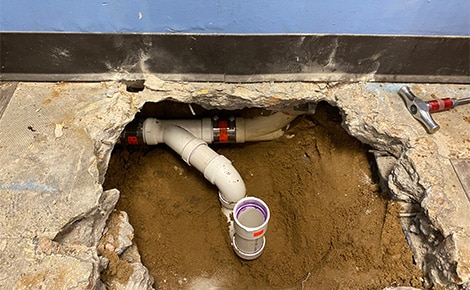
Mold is more than a nuisance in homes across Florida. It forms quietly, spreads quickly, and creates an unhealthy environment long before you realize anything is wrong. While mold can develop for many reasons, moisture from concealed plumbing issues is one of the most common—and one of the most overlooked—sources. When pipes leak behind walls, under flooring, or inside ceilings, the moisture has nowhere to go. It lingers, warms up, and feeds mold spores already present in the air.
Mold thrives when three things come together: moisture, warmth, and organic material. Unfortunately, those conditions are abundant inside the structure of a home. Drywall, wood framing, insulation, and subflooring all provide ample material. Warm indoor temperatures encourage growth. All that’s missing is consistent moisture, and a small pipe leak can provide exactly that.
Hidden leaks often release only a small amount of water at a time. Because it occurs behind walls or under flooring, it doesn’t pool in ways that homeowners notice. Instead, building materials absorb the water and stay damp. That creates a perfect environment for mold to begin forming in as little as 24 to 48 hours.
Many homeowners assume mold is caused only by larger water events such as floods or visible failures in plumbing. In reality, slow moisture buildup is far more common and far easier to miss. By the time mold becomes visible on surfaces, it has often been growing for weeks.
Concealed moisture is problematic because it creates conditions homeowners rarely see until the damage becomes significant. Pipes run through wall cavities, attics, and crawlspaces. Most of these areas remain out of sight for months or even years. A minor drip can continue indefinitely without any clear sign.
Another issue is that humidity levels in Florida are naturally high. That means many households already deal with a baseline amount of indoor moisture even without plumbing problems. When a hidden leak begins, the home may not show dramatic changes. A wall might feel slightly damp. A small area of paint might bubble. The air may smell a bit musty. These clues are easy to overlook or dismiss at first.
What makes the situation worse is that homes with good insulation and tight building envelopes hold moisture more effectively. While this helps with energy efficiency, it also means leaks can create long-term dampness that never fully dries.
You may not be able to see inside your walls or beneath your flooring, but there are reliable indicators that something is wrong. Paying attention to these early warnings can help you catch an issue before mold spreads widely.
Many people associate mold with property damage, but the health implications are just as important. Mold spores affect indoor air quality. They can irritate the throat, lungs, and eyes, especially for individuals with asthma, allergies, or respiratory conditions. Children and older adults can be more sensitive as well.
Not all mold types pose the same level of risk, but homeowners should treat any mold growth as a problem worth addressing promptly. Long-term exposure—especially in closed, damp spaces—often worsens symptoms. Fixing the underlying moisture source is essential because surface cleaning will not stop regrowth.
The most effective way to prevent mold is to control the moisture that causes it. Routine plumbing maintenance, inspections, and early leak detection play a critical role in keeping your home dry.
Here are practical steps homeowners can take:
Modern plumbing professionals rely on tools designed specifically to locate hidden moisture. Thermal imaging cameras, acoustic leak detectors, and moisture meters can find issues behind walls or beneath flooring without damaging the structure. These technologies catch problems that homeowners cannot identify on their own.
Once the plumber locates the leak, they can stop it, dry the affected area, and recommend whether any building materials need replacement. Addressing the moisture source immediately is the key to preventing mold from spreading.
Even with perfect plumbing, Florida’s climate often introduces additional indoor humidity. When humidity stays high, materials dry more slowly after routine use. That means pipes, fixtures, and appliances require support from proper indoor moisture management.
Some useful strategies include:
These measures help reduce moisture settling into walls and flooring, and reduce the likelihood of mold developing if a minor plumbing issue occurs.
If you find mold or strongly suspect it, avoid attempting large-scale cleanup yourself. You can wipe small, isolated patches, but mold linked to plumbing moisture is often more widespread than it appears. A licensed plumber should inspect for leaks, and a remediation specialist may be needed if the affected area is large.
Document any visible mold. Note any unusual smells, damp spots, or changes in surface appearance. Share these details with the plumbing technician, as they help pinpoint where the moisture began.
Preventing mold caused by hidden plumbing moisture starts with awareness and routine attention. Homes in Florida face a unique combination of humidity, warm temperatures, and complex plumbing systems. A small leak can lead to long-term problems if ignored, but early detection and proper maintenance make all the difference.
By monitoring your home, watching for subtle signs, and investing in regular plumbing inspections, you can stay ahead of moisture issues that lead to mold. A proactive approach keeps your indoor environment healthier, protects your property, and ensures any plumbing problems are addressed before they turn into widespread damage.

Paolo Weston is the owner of Kyzar AC, committed to delivering reliable and efficient HVAC solutions for both homes and businesses. With years of experience in heating, cooling, and ventilation systems, he prioritizes quality workmanship, energy efficiency, and exceptional customer service. Paolo is dedicated to helping clients maintain comfortable, safe, and well-functioning indoor environments year-round.
Preventing Mold Growth Caused by Hidden Plumbing Moisture
March 18, 2026
What Causes Low Water Pressure in Florida Homes
March 11, 2026