How Florida’s Sandy Soil Can Affect Underground Pipes
Homeowners across Florida rely on underground plumbing every day without giving much thought to what happens beneath the surface. Water lines, sewer pipes, and drainage systems run through the soil, carrying water in and out of the home. While these systems are built to last, the type of soil surrounding them plays a significant role in how well they perform over time. In Florida, sandy soil covers much of the state, and although it has certain advantages, it also presents unique challenges for underground plumbing.
Why Sandy Soil Is So Common in Florida
Florida’s geological history explains why sandy soil is so widespread. Much of the state was once underwater, and as sea levels changed over thousands of years, layers of shell, quartz, and marine sediment settled across the region. Today, these materials form loose, porous soil that drains quickly and shifts easily.
While fast drainage helps during heavy rain, the loose structure of sandy soil means it does not provide as much support for underground pipes as denser soils. This lack of support leads to several plumbing complications that homeowners often do not expect until issues begin to surface.
Sandy Soil Shifts More Easily Than Other Soil Types
One of the biggest challenges for underground plumbing in sandy soil is movement. Because the particles are small and loose, the soil shifts naturally over time. Heavy rain, drought, or construction nearby can speed up this movement.
When sandy soil shifts, underground pipes shift with it. Over time, this movement can cause:
- Pipe misalignment
- Joint separation
- Cracks in the pipe structure
- Uneven pressure on different pipe sections
Even slight shifts can disrupt water flow or create small leaks. Left unaddressed, these minor issues may grow, eventually leading to significant plumbing failures.
Fast Drainage Can Lead to Soil Erosion Around Pipes
Sandy soil drains quickly, which seems like a good thing. However, that rapid drainage can also cause soil erosion if water consistently runs over the same areas. When erosion occurs around buried pipes, the soil no longer supports them properly.
Unsupported pipes sag or bow under their own weight. This creates low points where wastewater or debris collects. Over time, these low spots become clogged, causing slow drains or backups.
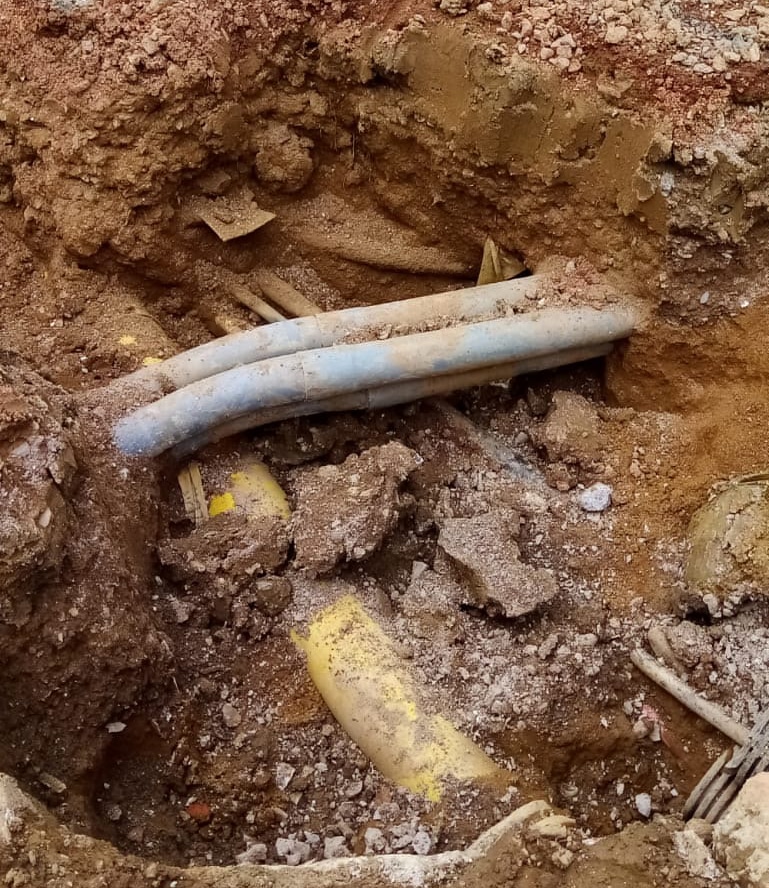
In more severe cases, erosion can leave large voids around sewer or water lines. Without steady support, pipes become increasingly vulnerable to cracking and collapse.
Heavy Rain and Storms Intensify Soil Movement
Florida’s weather patterns add another layer of complexity to underground plumbing. Frequent thunderstorms, tropical storms, and hurricanes deliver large amounts of rain in a short period. When too much water enters sandy soil at once, the ground becomes unstable.
This instability can lead to:
- Shifting of buried pipes
- Increased erosion near sewer lines
- Pressure on joints and seals
- Sudden changes in soil density
Storms also raise the water table, which can temporarily saturate sandy soil. When the water table drops again, the soil settles unevenly. Pipes weaken under this constant cycle of shifting and settling.
Tree Roots Spread Easily in Sandy Soil and Can Invade Pipes
Tree roots naturally seek out moisture. In sandy soil, roots spread farther and deeper because the loose texture offers little resistance. Once roots find a pipe—especially a sewer line—they often grow inside it through tiny cracks or loose joints.
Root intrusion is one of the most common causes of sewer line clogs in Florida. Roots inside the pipe trap debris and slow the flow of wastewater. If left untreated, they cause backups or pipe failure.
Because sandy soil encourages rapid root growth, Florida homeowners are more likely to experience this issue than homeowners in areas with denser, compacted soil.
Underground Pipes Can Break Down Faster in Shifting Soil
Even strong plumbing materials wear out faster when the surrounding soil is constantly shifting or putting uneven pressure on the pipe surface. Certain pipe materials are especially vulnerable:
- Older cast iron pipes may crack or crumble
- Clay pipes can fracture where soil pressure is uneven
- PVC pipes may bend or warp under stress
Newer materials such as HDPE or modern PVC do better in sandy environments, but they are not immune to long-term soil movement. No underground pipe remains completely unaffected.
Sandy Soil Makes It Easier for Leaks to Spread Undetected
One of the biggest frustrations homeowners face with sandy soil is that plumbing leaks often go unnoticed for long periods. Because the soil drains so quickly, water from a leaking pipe doesn’t create visible puddles or surface moisture right away.
This means leaks can continue for months without detection, causing:
- Higher water bills
- Soil erosion
- Sinkholes or depressions in the yard
- Damage to nearby structures or foundations
By the time a homeowner realizes something is wrong, the leak may have already caused considerable damage underground.
Sinkholes Are More Likely to Form in Sandy or Loose Soil
Florida is known for sinkholes due to its limestone foundation. While sandy soil itself does not create sinkholes, it does make sinkhole formation more dangerous for underground plumbing. When the ground beneath sandy soil begins to erode or collapse, the loose sand sinks quickly into developing cavities.
Any underground pipes located in these areas experience stress, bending, or sudden breaks. This leads to immediate plumbing emergencies that require professional intervention.
How Homeowners Can Protect Underground Pipes in Sandy Soil
While homeowners cannot change the type of soil on their property, they can take proactive steps to protect underground plumbing.
Routine Plumbing Inspections
Annual sewer and drain inspections help identify early signs of pipe damage or misalignment. Professionals use camera equipment to inspect underground lines without digging, allowing them to spot issues before they worsen.
Root Management
Trimming or removing trees with aggressive root systems reduces the chance of root invasion. Installing root barriers near sewer lines adds another layer of protection.
Proper Grading and Drainage
Ensuring that water flows away from the home helps prevent erosion around underground pipes. Downspouts, gutters, French drains, and swales are useful tools for managing runoff.
Using Stronger Pipe Materials During Repairs
If a pipe needs replacement, choosing durable materials that handle shifting soil better can reduce future problems. Modern piping is far more resilient than older types used decades ago.
Monitoring Water Bills
A sudden increase in water usage may indicate a hidden leak underground. Keeping an eye on monthly bills provides an early warning sign of potential issues.
Avoiding Frequent Heavy Loads Over Buried Lines
Driveways, parked vehicles, and heavy equipment should not sit directly above underground plumbing. Weight can push sandy soil downward and stress pipes below.
Why Professional Evaluation Matters for Florida Homes
Because sandy soil affects plumbing in subtle ways, professional evaluation is essential. Plumbers trained to work in Florida’s environment understand how soil shifts, how roots behave, and which materials hold up best. They also know how to detect erosion-related issues before they cause major damage.
Professional assessments make it easier to repair small problems early, preventing costly damage down the line.
Conclusion
Florida’s sandy soil is part of what makes the state unique, but it also presents challenges for underground plumbing. Loose, porous soil shifts easily, drains fast, and offers little support for buried pipes. Combined with heavy rainfall, rapid root growth, and changes in the water table, the soil environment creates conditions that require steady attention.
By understanding how sandy soil affects underground plumbing—and by taking proactive measures—you can protect your home from leaks, clogs, and major pipe failures. With proper care and routine inspections, Florida homeowners can maintain strong, reliable plumbing systems no matter what’s happening beneath the surface.

Written by
Paolo Weston
Paolo Weston is the owner of Kyzar AC, committed to delivering reliable and efficient HVAC solutions for both homes and businesses. With years of experience in heating, cooling, and ventilation systems, he prioritizes quality workmanship, energy efficiency, and exceptional customer service. Paolo is dedicated to helping clients maintain comfortable, safe, and well-functioning indoor environments year-round.
Recent Posts
Plumbing Upgrades That Increase Home Value in Florida
April 10, 2026